
Rio Tinto - The Kingdom of Colours
Personal Photo Project
Deep in the south of Spain north of the small mining town Nerva a magic river springs from the Sierra Padre Caro: Río Tinto. Famous for its affluence of minerals and its distinctive red color Río Tinto has been a source of inspiration for many artists among which the Spanish grand master of nature photography Antonio Camoyán with his photographic work „El Alma del Paisaje“.
It was him, Antonio Camoyán, who shaped the notion "Tintomania" which describes a kind of "virus" that has been caught by many artists and photographers who spent time in this very unique and magical place. And that's what also happened to me after my first visit: whenever I come home from Spain and look through my pictures there is this overwhelming wish to return and continue working on my photographic approach to this kingdom of colours...another obvious case of Tintomania!!!




In May 2023 I had the wonderful opportunity to meet Juan Tapia, an excellent and very creative Spanish nature photographer and author and was deeply impressed by his photographic approach to this exceptional location which he demonstrates in his personal photo project "Río Tinto", a tribute to his friend and mentor Antonio Camoyán. And just like Juan‘s artistic development has been influenced by the grand master my own photographic approach has undergone a distinctive change after meeting Juan and learning about his photographic work. Inspired by his work I decided to further elaborate my own project which I had just started and I'm very happy that Juan agreed to be my mentor.



Juan (as did Antonio Camoyán before him ) suggested to divide the project into different categories each of which showing a series of pictures exploring the various elements that make out the distinctive riverscape of Río Tinto. I adopted some of Juan’s categories which represent essential elements like rocks, algae or mud and added new categories like most of the “industrial” ones because I wanted to place my project into the economic and environmental context of Minas de Riotinto. Both, the “industrial” landscape that refers to the mining zone and the “natural” landscape or the acid rivers are constantly changing depending on the seasons, weather and structural modifications in the mine itself. I never know what kind of “elements” I'm going to find on my next photo outing and what kind of photos I might be able to take.
And just like Juan didn’t intend to copy Antonio Camoyán’s work but rather pay homage to his amazing work and unique form of splitting up the landscape into its elements it’s not my intention either to plagiarize Juan’s work. I would rather love to give it my own personal touch and to present my version of this magic kingdom of colors to my German friends most of whom have no idea that such a beautiful place exists on earth.
This project is a running project, a process without a clearly defined end and with the room to grow, to shrink, to grow again, to change, to transform. I will try to continue working on it as long as there's a good way for me to do so...




The pictures are divided into two main categories - industrial and natural landscape :
1. Industrial - pictures of the old english and the new mining zone:
Centuries of opencast mining have left traces in Minas de Rio Tinto. The British, in particular, who were awarded the rights to exploit the mine from 1873-1954, modified the territory completely by applying the new methods of the Industrial Revolution. A railway line was built from Minas de Riotinto to Huelva to transport the ore to the Harbour of Huelva. Even today only parts of the terrain are accessible. There are still many old mining buildings in danger of collapsing, parts of the old railway line and loading stations and numerous rusty locomotives and wagons left to themselves. The small town of Minas de Riotinto was moved several times to make room for new pits, and new mountains were being piled up with the waste and slag material from the pits. The mine was closed in 2001 and reopened in 2016 due to the rising prices for copper in particular and is now expanding to an extent that it is threatening to swallow up the zone where Río Tintillo has its source.

Lost in Time
"Lost Places", derelict mining buildings, bridges, ramshackle technical appliances and rusty scrap mining trains, engines and waggons tell stories of an era long ago, of hard labour and deprivation - Photos by drone and by camera.
Resilient
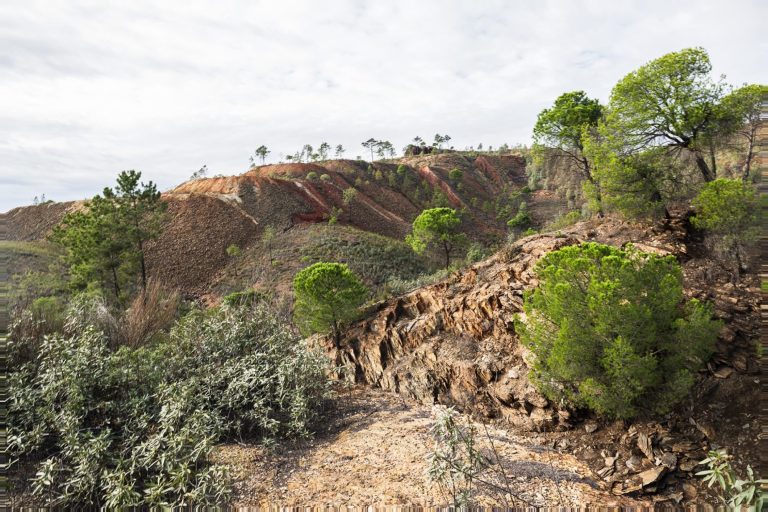
Nature is recapturing - new mountains are rising, trees begin to cover up the wounds of the open cast mining activities.
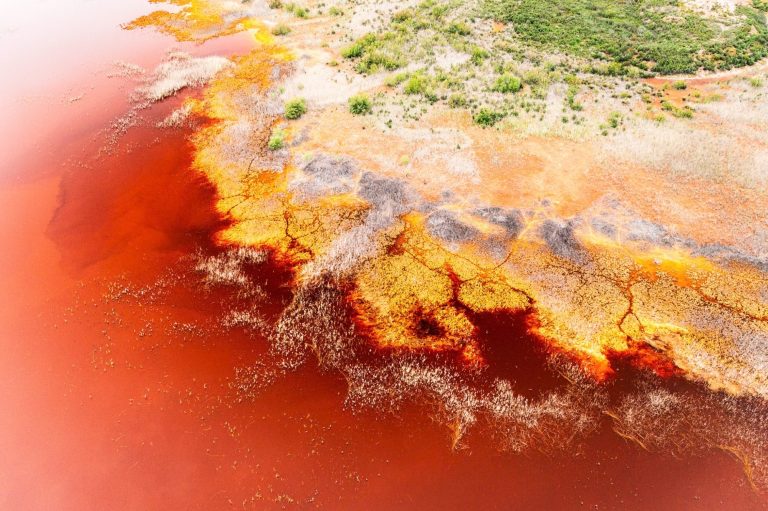
Toxic
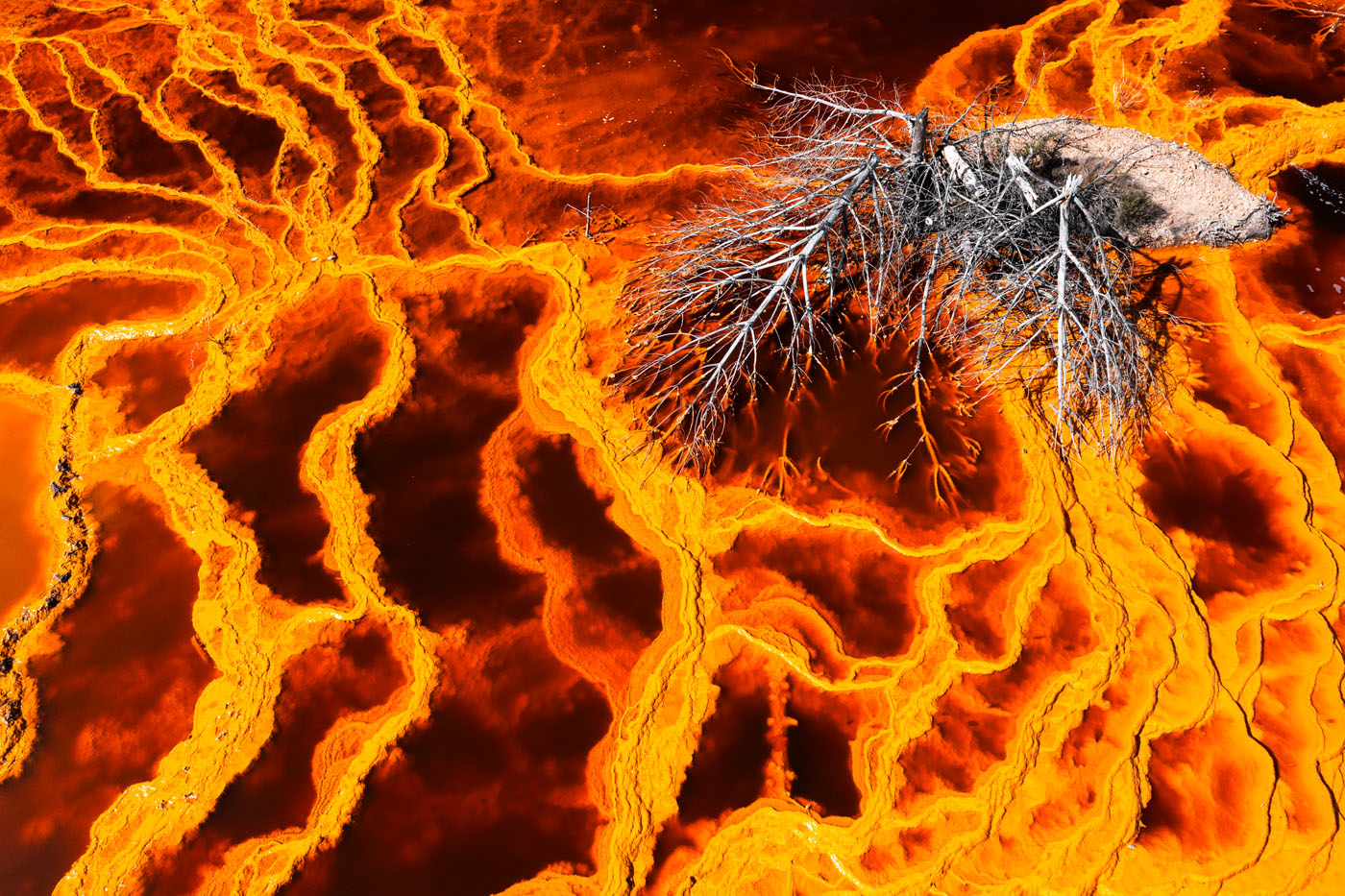
The toxic waste of the mine is collected in special ponds partly "natural", partly artificial. This series shows how the natural surroundings of the ponds are being infiltrated and intoxicated.

Cracked
A collection of pictures of dried mud in the ponds of toxic waste taken by drone. Depending on the chemical compounds the mud assumes different hues and structures.
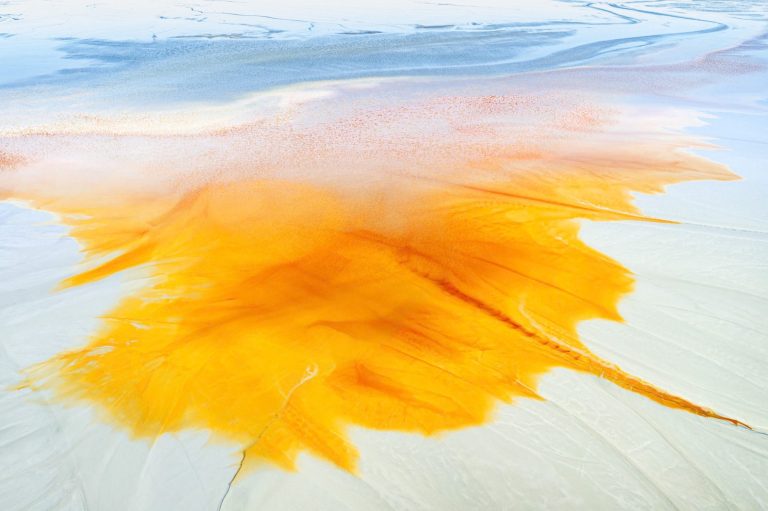
Ephemeral
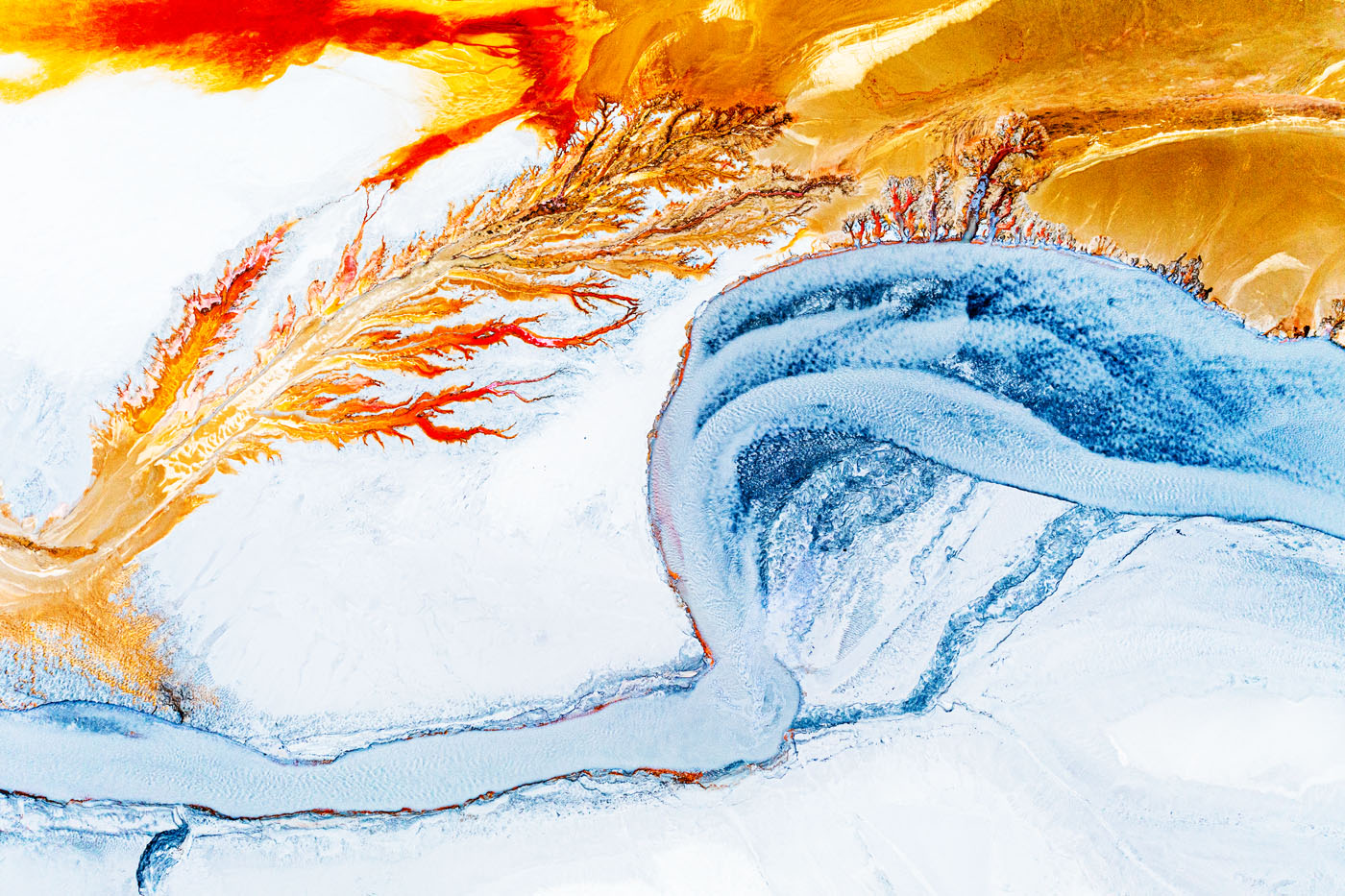
Residuents from a copper mine in the province of Huelva form ephemeral paintings in the pond of toxic waste. Colours and patterns change with the compound of the waste, precipitation and the wind. Heavy rainfall destroys these paintings forever and it needs the sun, new effluents and a period of dry weather to let grow new "paintings".
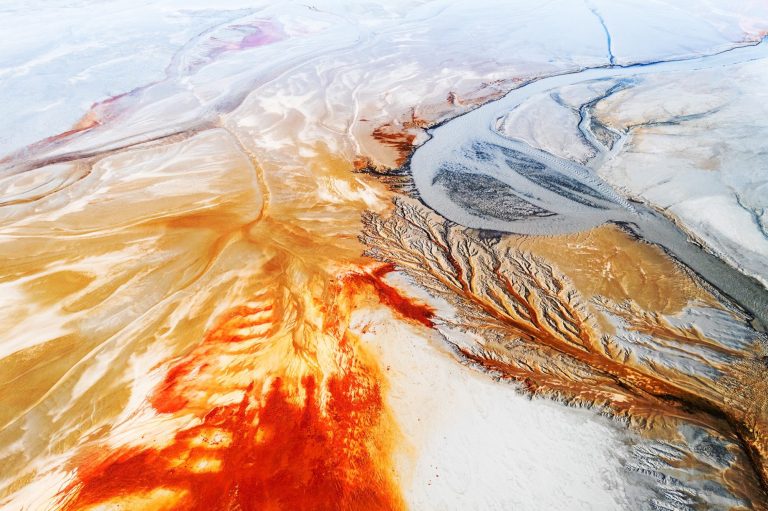
Ephemeral Trees
Sometimes the residuents from a copper mine in the province of Huelva assume the form of trees and forests in the pond of toxic waste. Colours and patterns change with the compound of the waste, precipitation and the wind. Heavy rainfall destroys these paintings forever and it needs the sun, new effluents and a period of dry weather to let grow new "paintings".
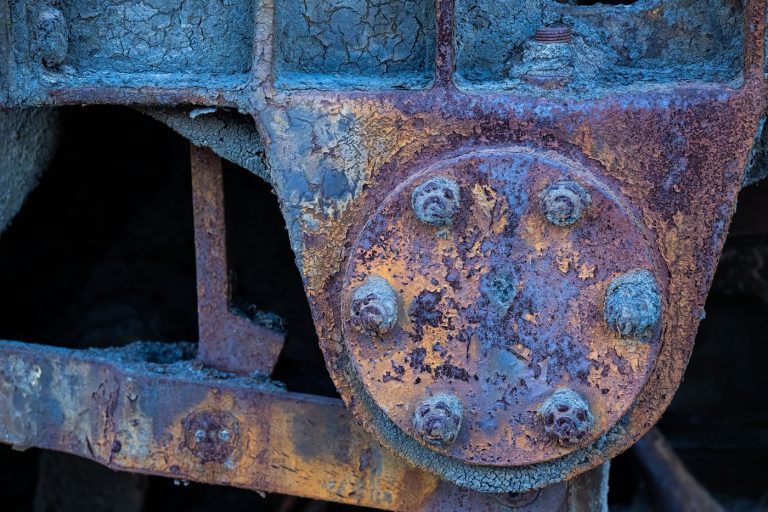
Obsolete
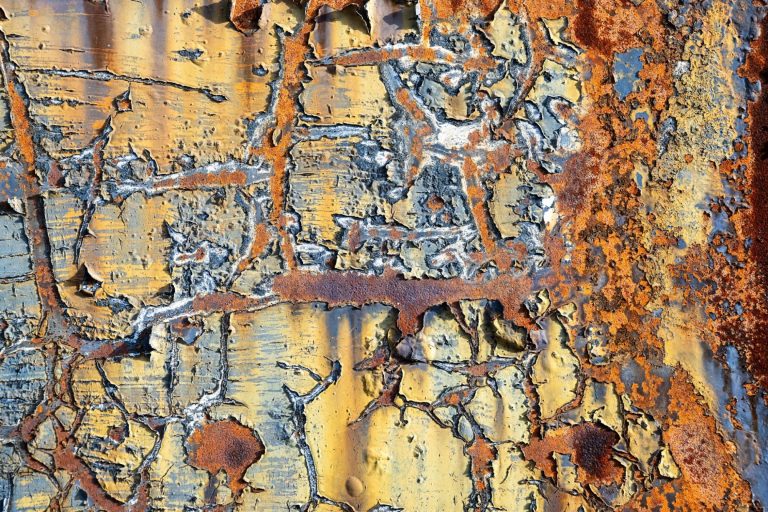
Tiny technical details of the old rusty mine engines and waggons at the old Zarandas Station combined with colorful flakes of paint and rust give evidence of a long bygone era.
Rusty
Rusty structures and paint flaking off the sides of the old mine engines and waggons. It was Juan's idea to use a very cold color temperature to change the palette of colours and thus turn industrial scrap into pieces of visual art.
Heavy Weighty
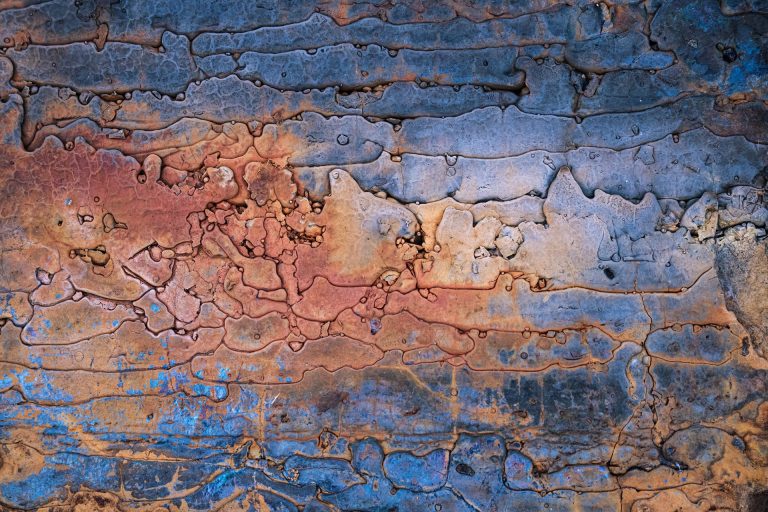
Slag from former iron extraction is piling up on the old mining territory. Pieces of all sizes are covering the ground. If you take a closer look, some of them reveal beautiful patterns. You can tell right away by their weight that they contain iron.
2. Natural - Pictures of the acid rivers Río Tinto, Tintillo and Odiel
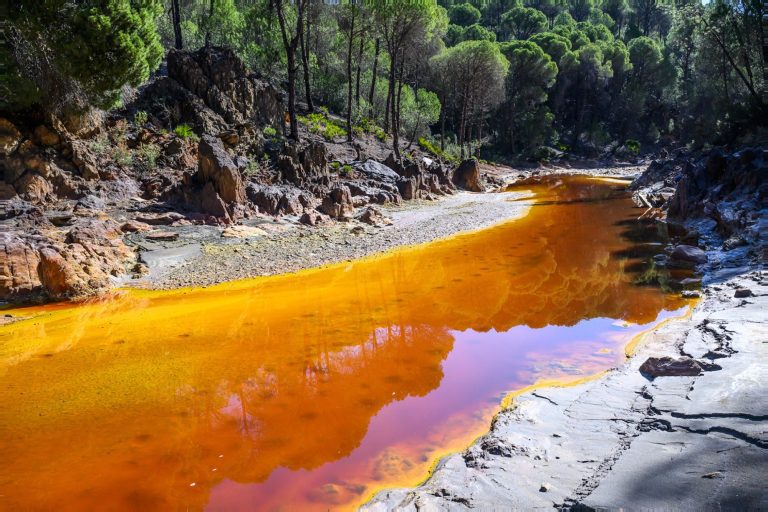
The main river Río Tinto owes its name to its spectacular colour: tinto = red. Actually the Río Tinto is exhibiting the whole range of red, pink and orange hues up to a dark violet. These incredible colors are being caused by the high concentration of iron salts and sulphates in the grounds of Minas de Riotinto which cause the rivers, streams and creeks emerge from the ground with this striking colour. As soon as the water gets in touch with oxygen it turns red.This is how some thousand years ago the Romans came across the iron deposits - they were struck by the conspicuous hue of the river. Several mines are situated along the course of the river. For thousands of years iron, copper, gold and silver has been exploited in this region, partly until today.
Río Tinto is one of three acid rivers in this area: Río Tinto and Río Tintillo, the two red rivers and Río Odiel which has a green and yellow colour. All three of them have a very low pH-factor of 2-3 which means that they are so acid that no other living being besides some algae and acid-loving bacteria are able to live in them. Besides they contain a high concentration of poisonous heavy metals.
Real Tinto
Riverscapes of the acid Río Tinto taken while hiking along the acid rivers or flying my drone.

Real Tintillo
Riverscapes of the acid Río Tintillo taken while hiking along the acid rivers or flying my drone.

Real Odiel
Riverscapes of the acid Río Odiel taken while hiking along the acid rivers or flying my drone.

Deceptive
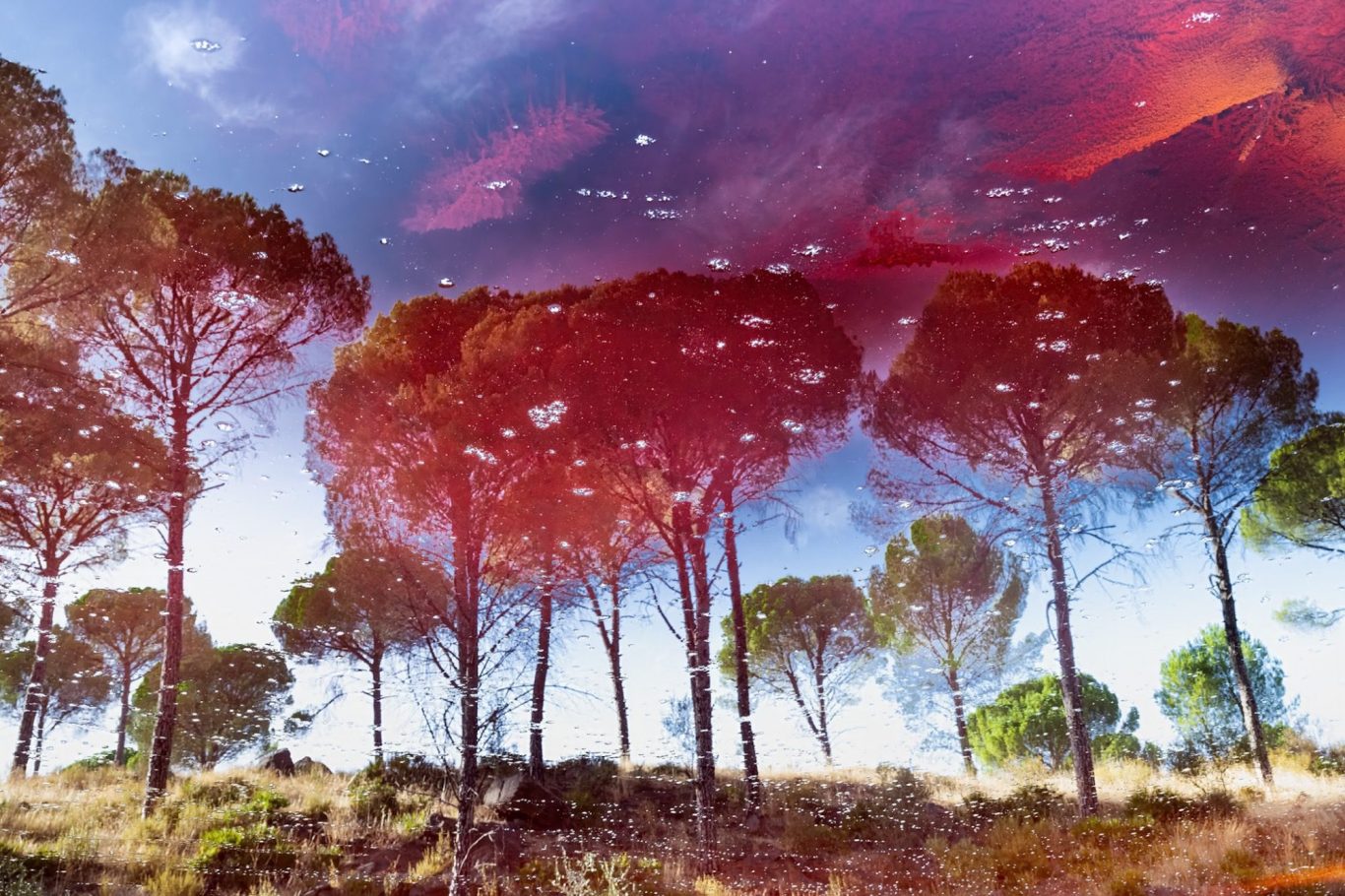
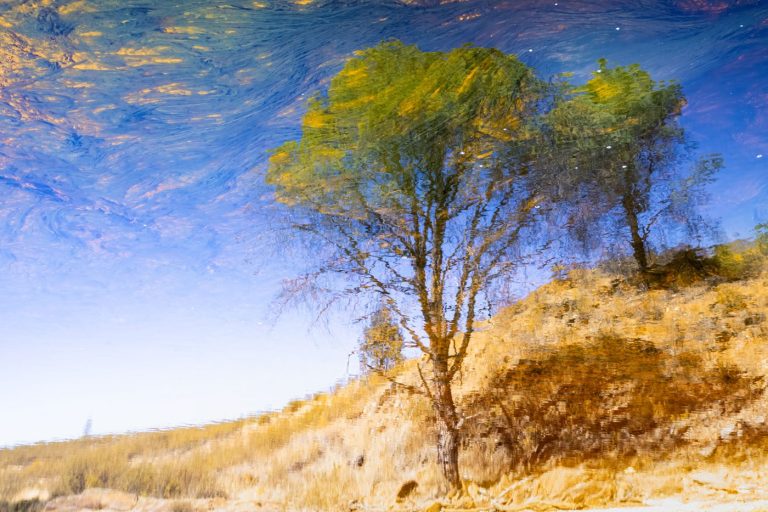
This type of picture is called "trampantojo", a Spanish name, which means "deception" or "optical illusion". It's the technical term for an artwork that exists since the Ancient World. A work of art is being designed in a way that it imitates reality and leaves the beholder in a state between being amazed, doubting if up to believing that something artificial is real. A trampantojo plays with the imagination of the beholder offering a surrealistic landscape to dive into...
Painted
Impressionist riverscapes reflected in the floating water. By playing with the combination of reflected trees on the surface and the translucent underground in the river green algae, yellow mud, and red rocks turn into lush treetops or autumn leaves respectively. Tbe transition between reality and imagination becomes fluent.
To achieve a "realistic" look the pictures have been turned upside down by 180 degrees.
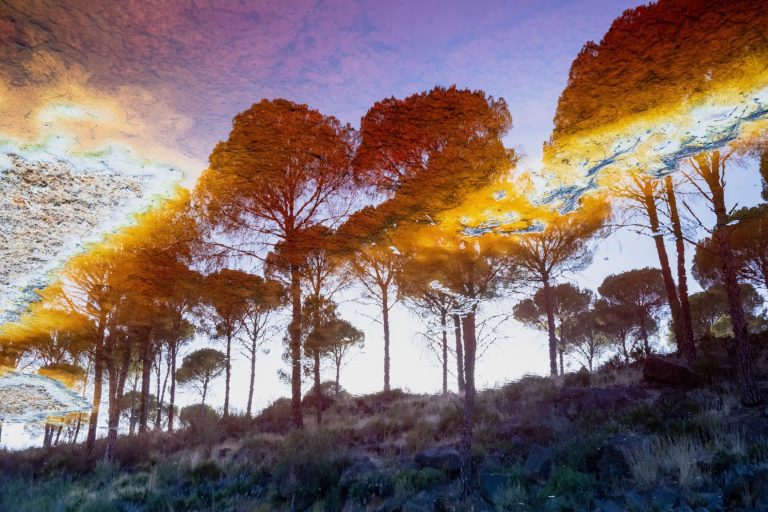
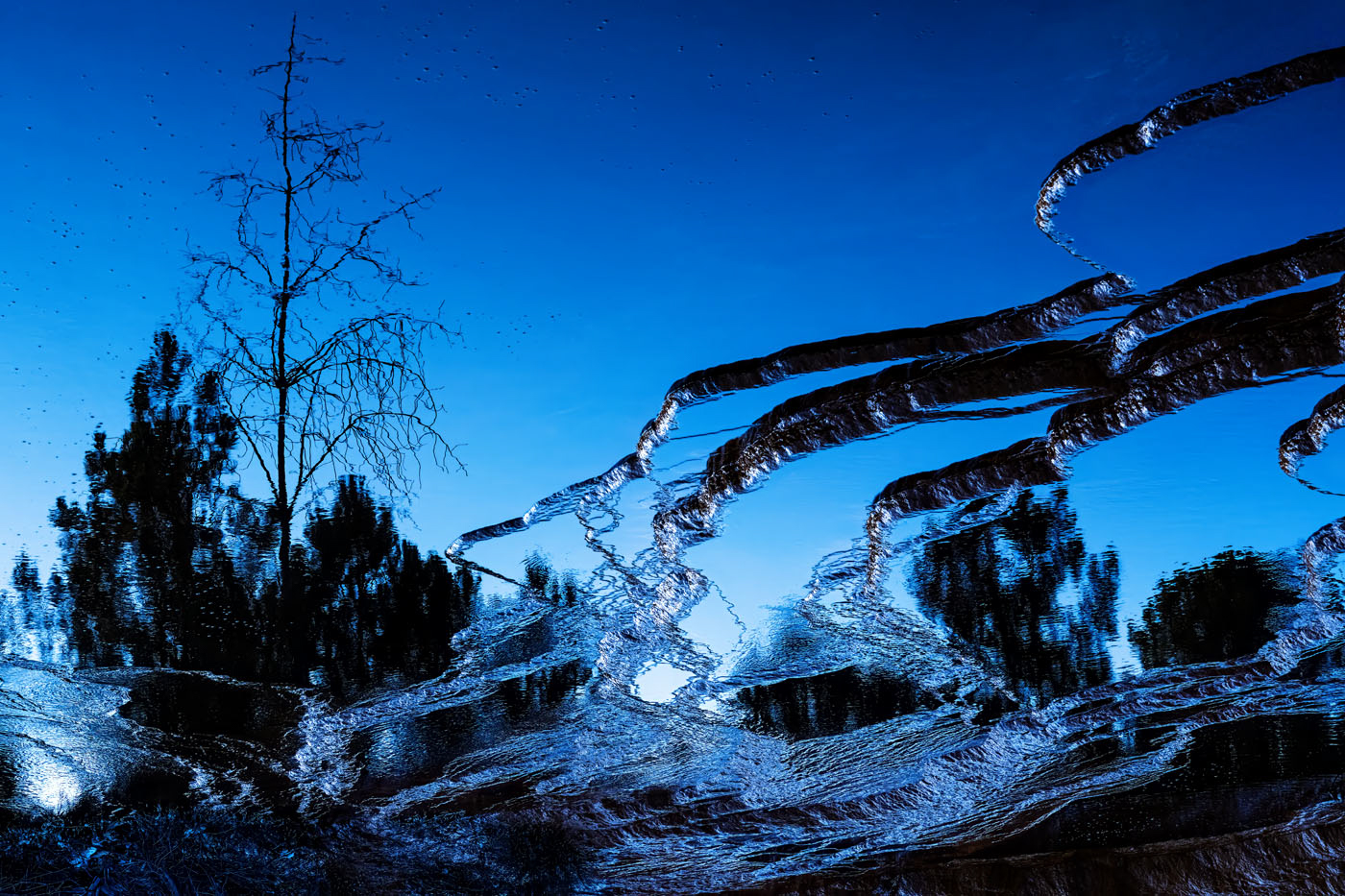
Disturbed
Reflections of trees in the riverbed disturbed by natural elements like rocks or sandbanks thus challenging the beholder with the question "what's reality? what's imagination?".
To achieve a "realistic" look the pictures have been turned upside down by 180 degrees.
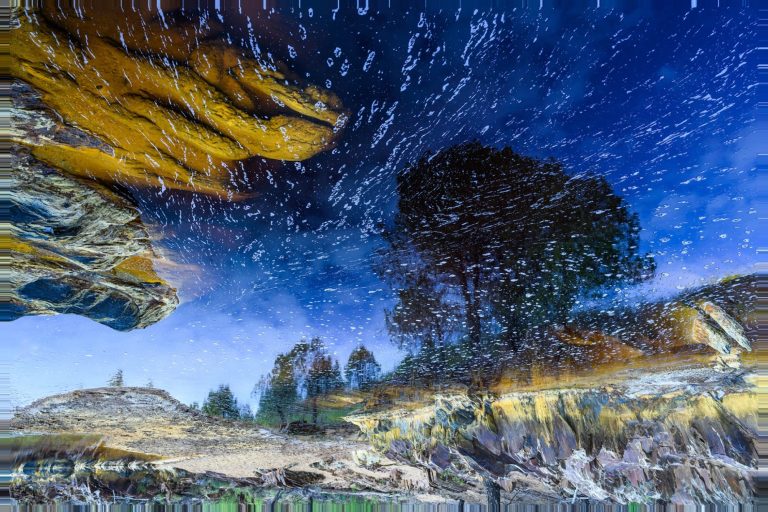
Starry Nights
A tribute to Vincent van Gogh. Impressionist pictures of riverscapes with white foam reflected in the "blue" water reminding me time and again of Vincent van Gogh's famous painting "Starry Night".
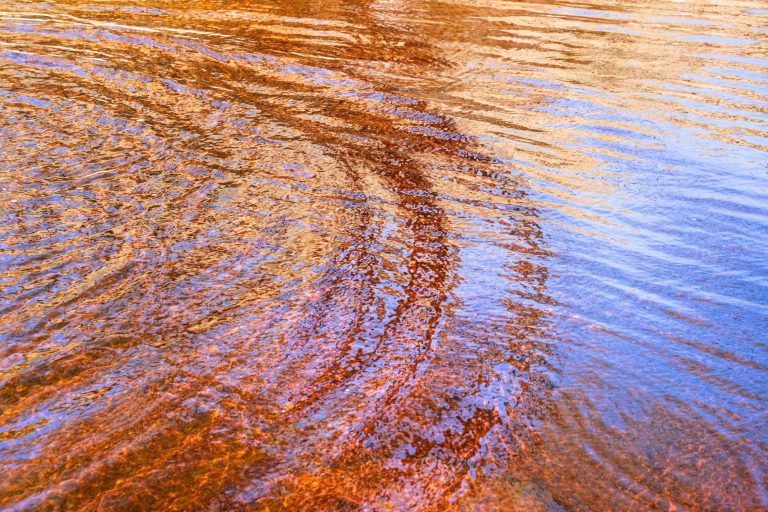
Abstract
Impressionist abstract patterns reflected in the floating water that play with light and the river's palette of colours.
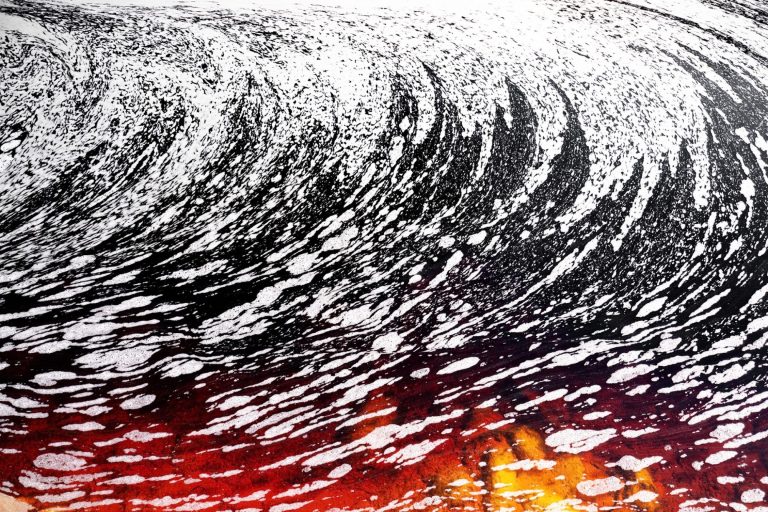
Foaming
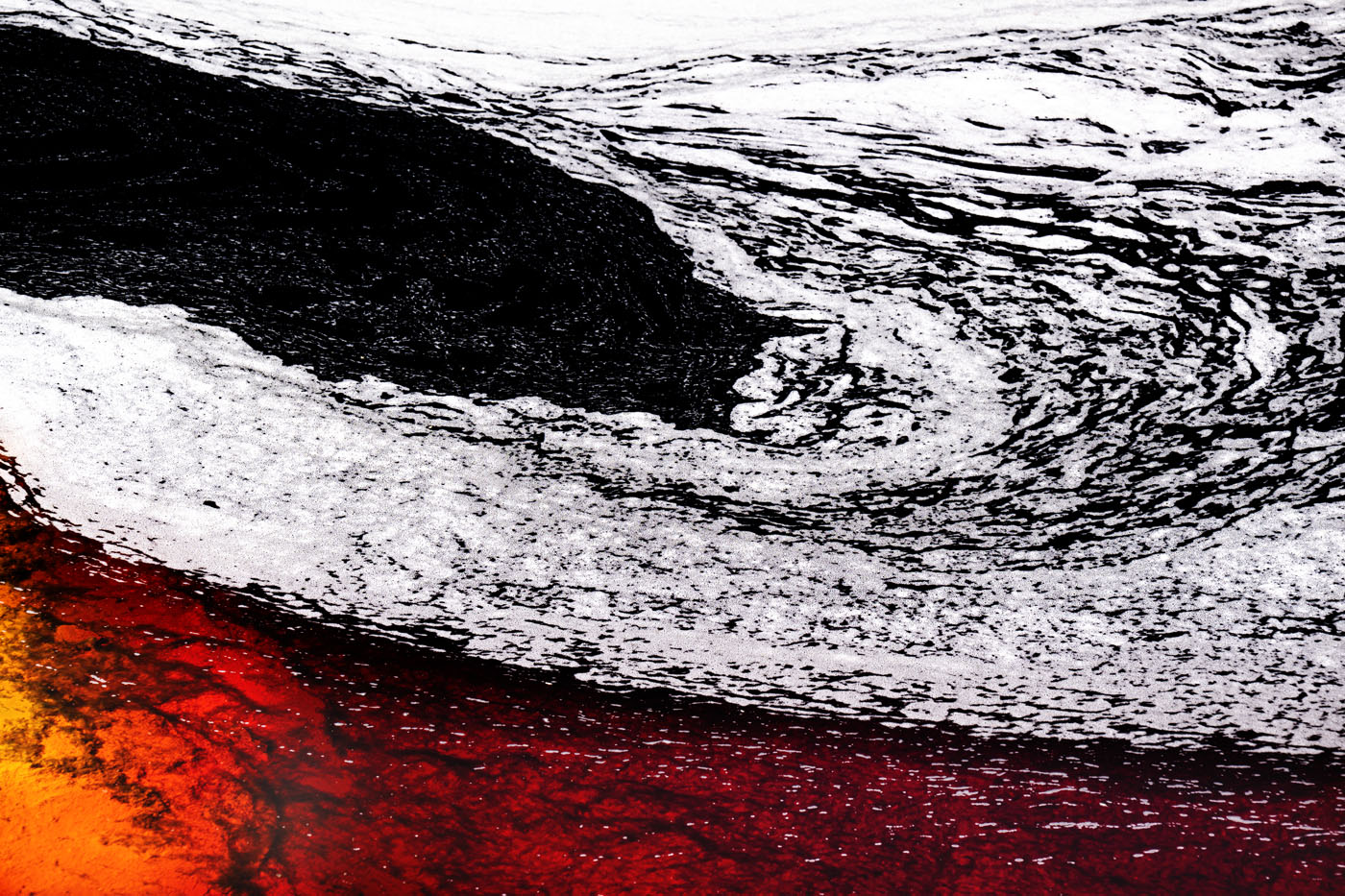
Tiny rapids and waterfalls add oxigen to the mineral-saturated water of the rivers thus creating white spray that forms imaginary characters and patterns.
Rock-Solid
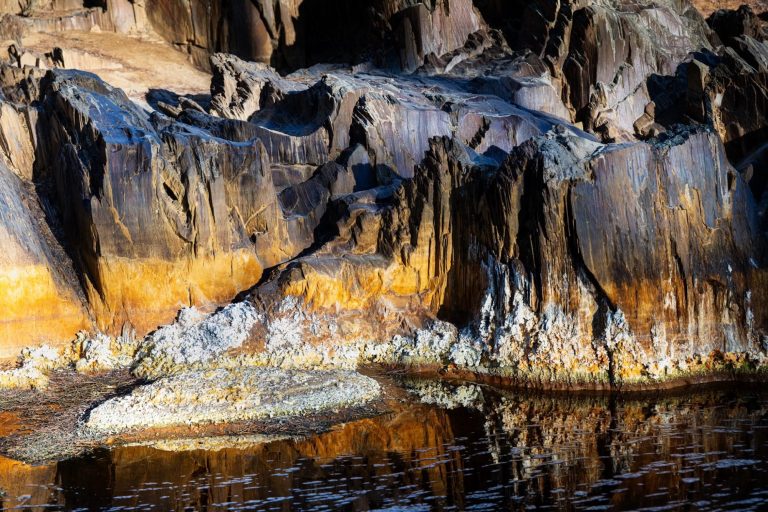
Rocks above or underneath the water exhibit all the chromatism they have inhaled over the passage of time from the passing water. Depending on the chemical composition of the water they shine in all shades of yellow, orange, turquoise and purple sometimes covered with an additional layer of mud in yet another hue. Each segment of the rivers exhibits its own characteristc rocks, from small to really big ones, sometimes pointed and jagged, sometimes round and polished by the maelstrom of time.
Hidden
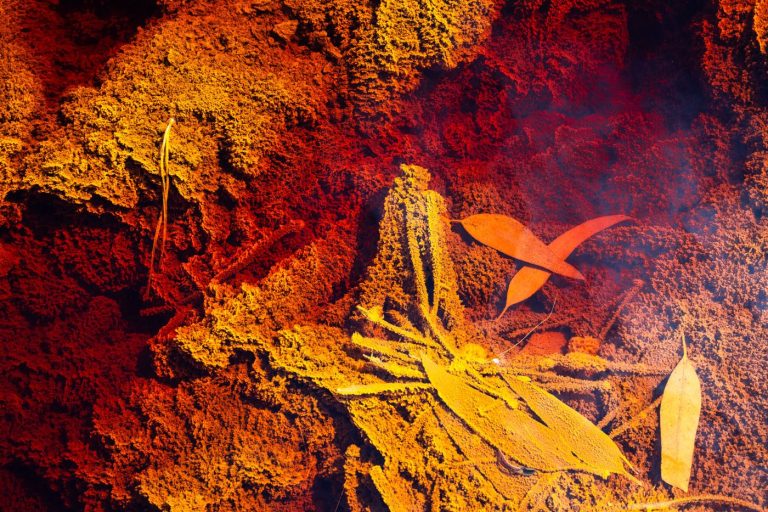
Hidden beauties in the shallow water of the acid rivers that glow like gold and rubies in the sunlight - growing stromatolites, decaying leaves and rocks (partly) underneath the water.
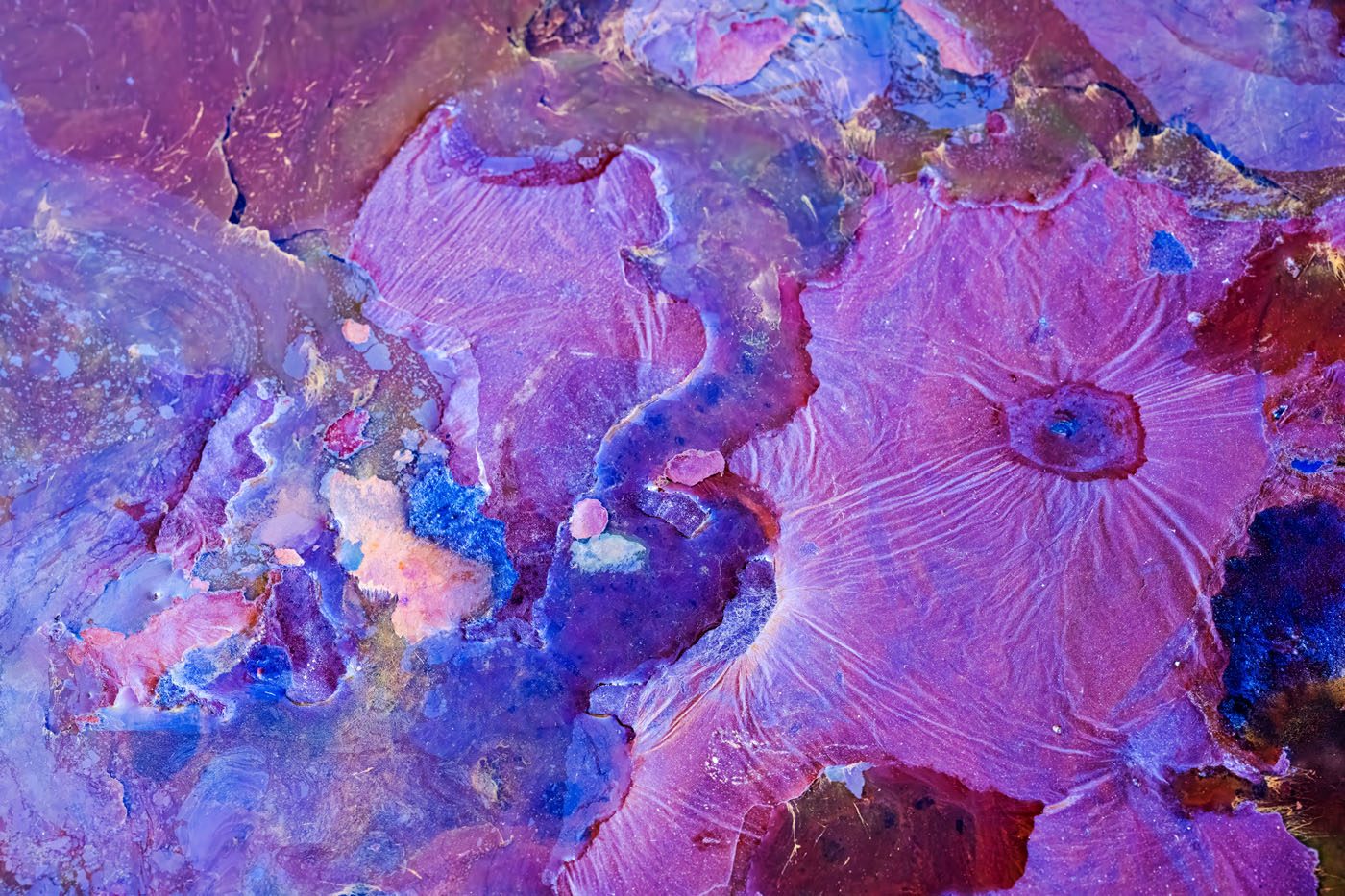
Wrinkled
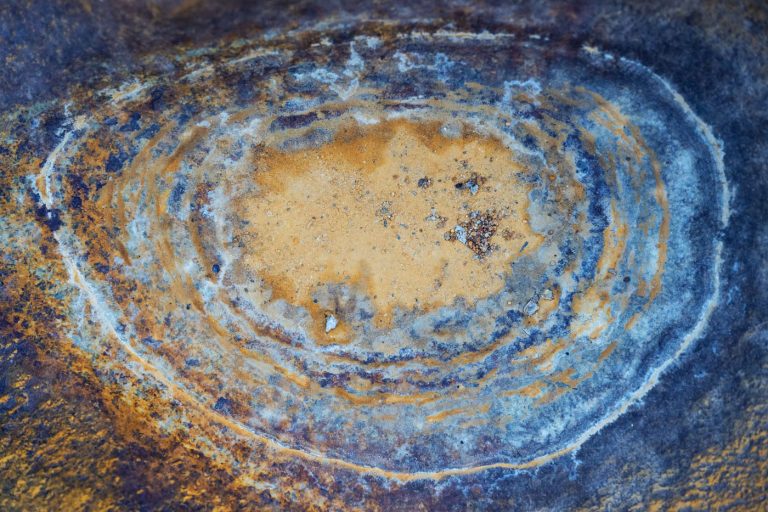
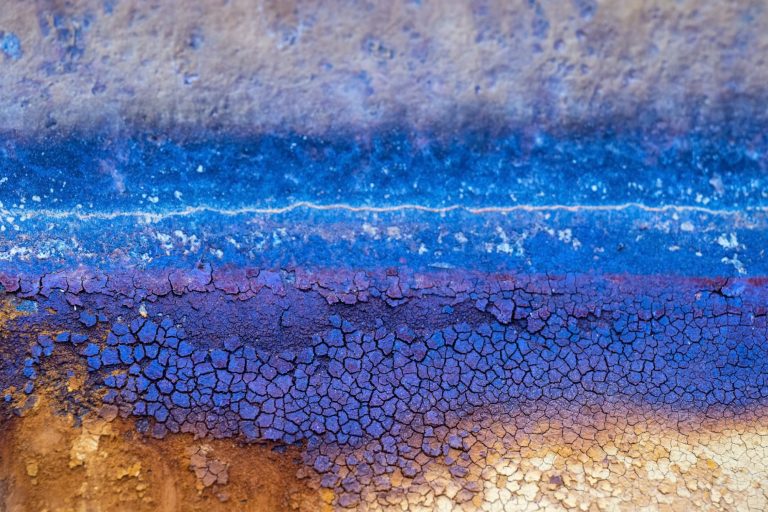
Dried mud in all kinds of hues and colors forms pretty patterns on rocks and ground.
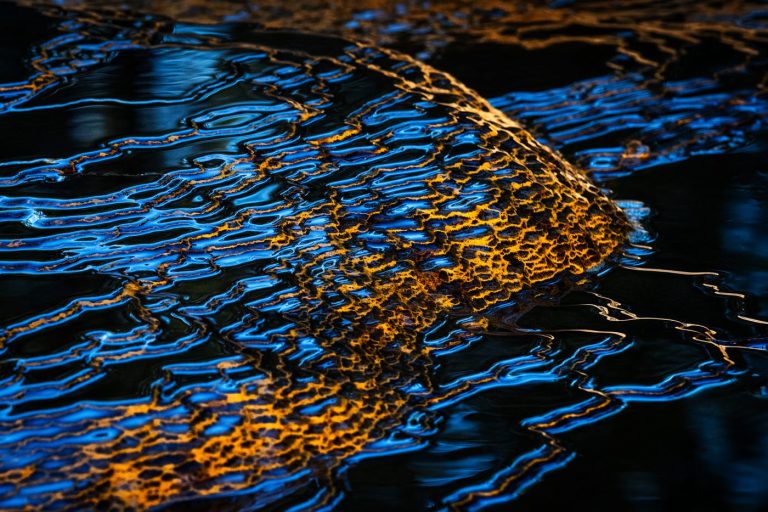
Electric © Paco Viruez
Stromatolites or layered sedimentary formations which are created by photosynthetic microorganisms. These microorganisms produce adhesive compounds that cement sand and tiny rocks to form mineral layers that grow gradually over time. In this case the pine needles that fall from the trees into the rivers make up an essential element of the process.
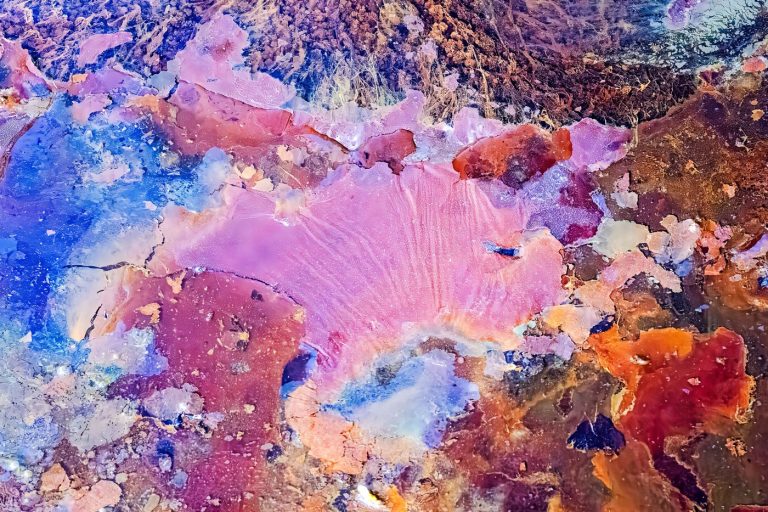
Slimy & Colorful
Biofilm, a slimy level on the surface of the acid river, seems to spring directly from a painter's palette.
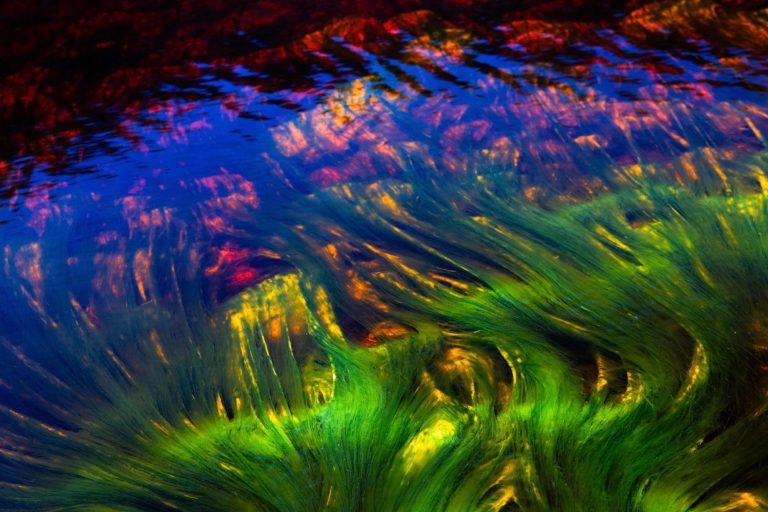
Adapted
Algae, the only plant surviving the toxic living conditions of the acid rivers, add a lively green hue to the vibrant red when water temperatures rise with the arrival of the estival heat.
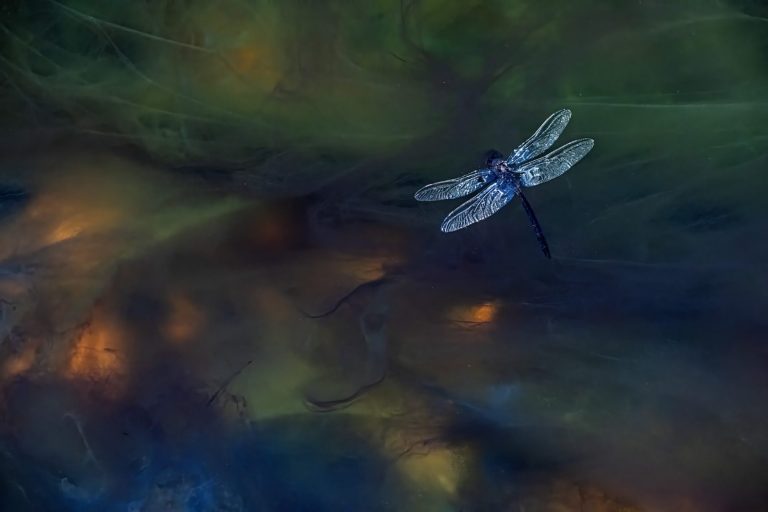
Deadly
Acid rivers are deadly rivers. Apart from some Algae and Bacteria no living being can be found. Once in a while a dead dragonfly or butterly is drifting in the calm waters.
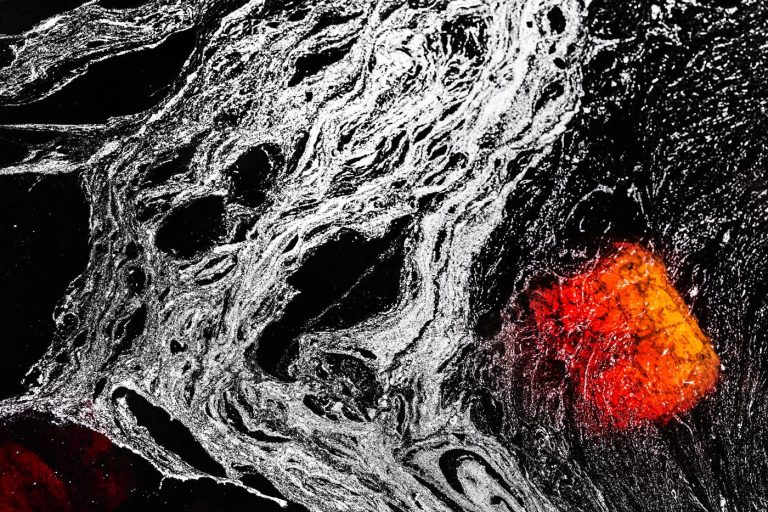
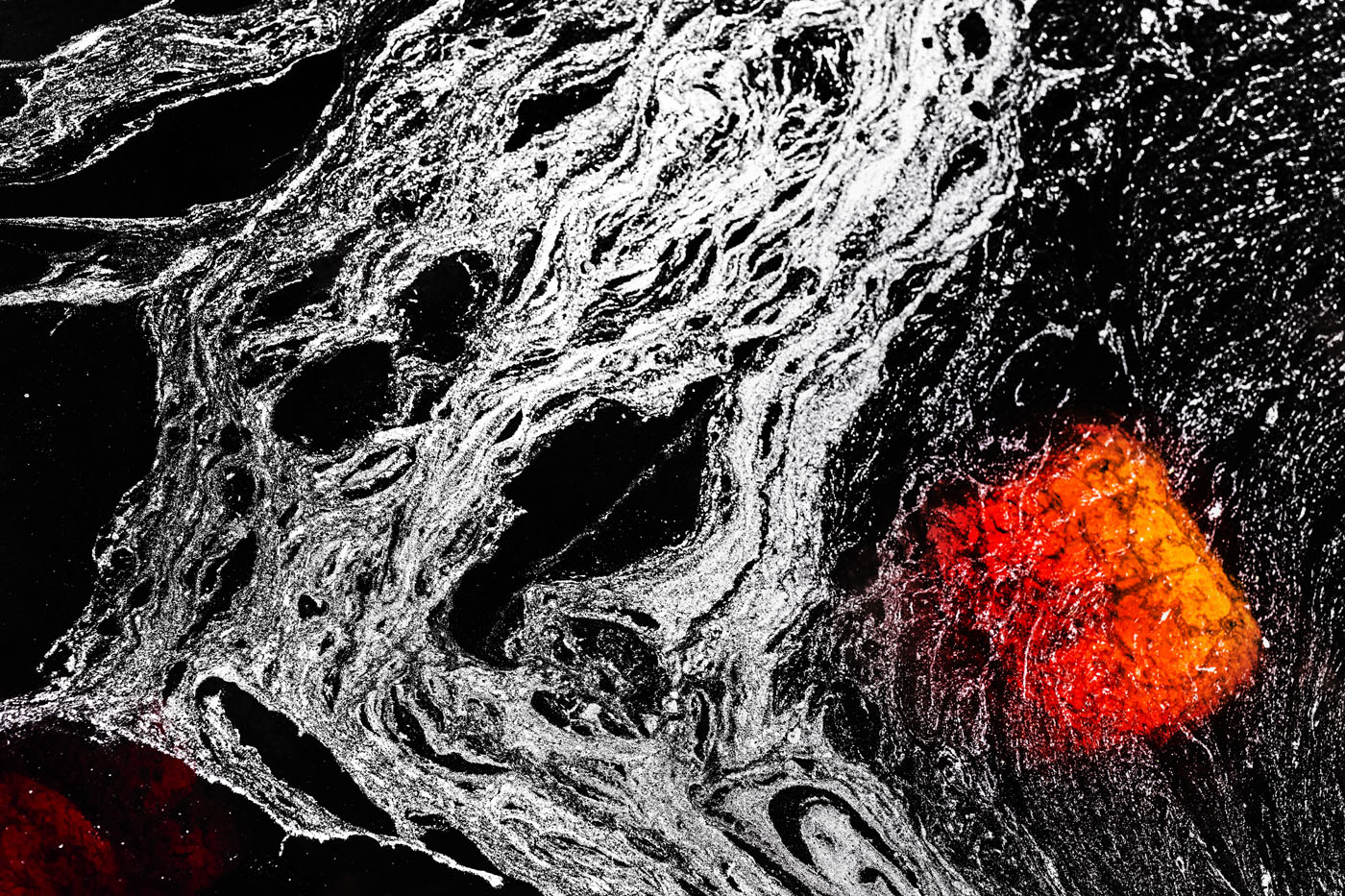
Spooky
The correct term for this phenomenon is "pareidolia" which means discovering faces, familiar beings or things in patterns where actually there's none.
So far my pareidolia gallery is populated only by ghosts and monsters. That's why I chose the name "Spooky".